
Remote CCTV Monitoring for Businesses : The Overlooked Truth About Business Surveillance
Most businesses install CCTV cameras and consider the job done. The harder truth? Unmonitored footage is just archived evidence — it doesn’t stop a crime in progress. The shift from passive recording toward real-time remote monitoring is where genuine security begins. Operational efficiency and asset protection converge when a surveillance system is actively managed, not passively stored.
What SIRA-Licensed Operators Actually Bring to the Table
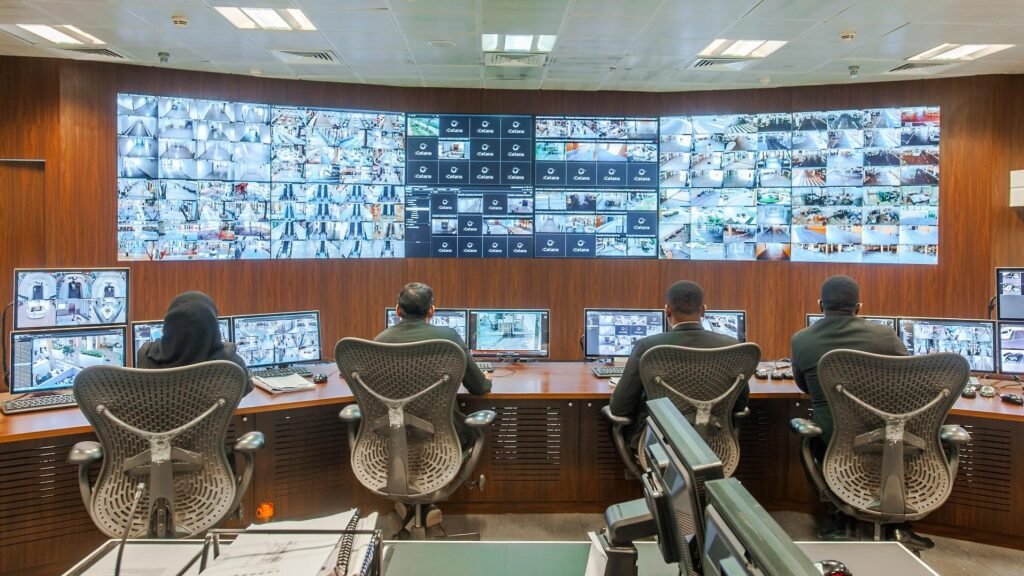
Not every monitoring provider is equal. SIRA-licensed operators undergo certification processes that standard private staff don’t. They’re conditioned to recognize behavioral cues on a live feed that untrained eyes miss entirely. Pairing HIKVISION or Honeywell hardware with a trained operator running 24/7 monitoring creates a layered defense — one that a self-managed DVR setup simply cannot replicate.
Assessing What Your Business Actually Needs
Before selecting cameras, a proper risk assessment matters more than brand preference. Critical areas like entrances, cash counters, and storage rooms demand different lens specs than open-floor zones. PTZ cameras serve wide perimeters; dome cameras cover corridors discreetly; bullet cameras handle outdoor low-light conditions. Skipping this evaluation leads to dark spots — the exact vulnerabilities criminals scope out first.
Building a Network That Supports Remote Access
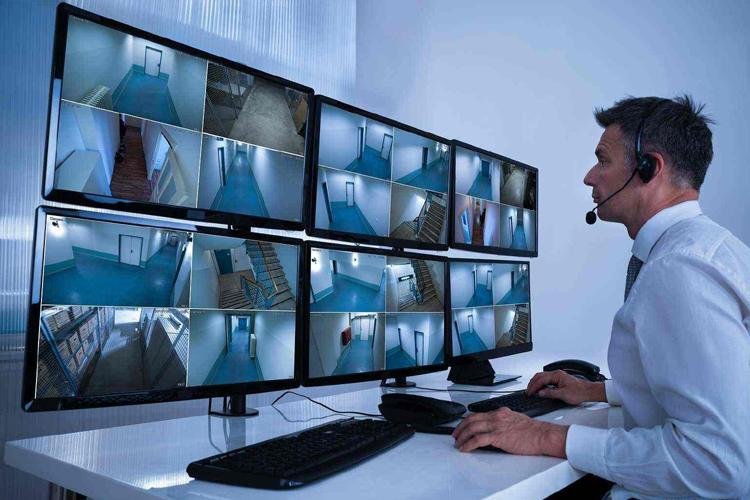
The camera is only as reliable as the network behind it. NVR and DVR configurations both have merit, but cloud-based systems offer remote access flexibility that local setups can’t match. Connecting smartphones, tablets, or desktop dashboards to live streaming feeds enables real-time supervision from any geography. Internet connectivity checks during installation — not after — prevent costly firmware and motion detection failures later.
The Financial Case: Audio Alerts Over Manned Guarding
Replacing or supplementing manned guarding with remote monitoring CCTV isn’t just a security upgrade — it’s a financial decision. Audio alerts directed at intruders disrupt incidents before losses mount. A high-level security system protecting inventory, property, and assets can prevent criminal damage valued at tens of thousands. The round-the-clock surveillance cost is fractional compared to a single undetected break-in’s financial aftermath.
How Real-Time Monitoring Changes Incident Response
When suspicious activity triggers an alert, speed determines outcome. A CCTV Control Room staffed around the clock enables immediate reporting of potential threats to both the designated key holder and law enforcement. Uniformed mobile officers can be dispatched within minutes. Compare this to reviewing footage the morning after an incident — the permanent record has evidentiary value, but the damage is already done.
Reporting, Transparency, and Operational Insights
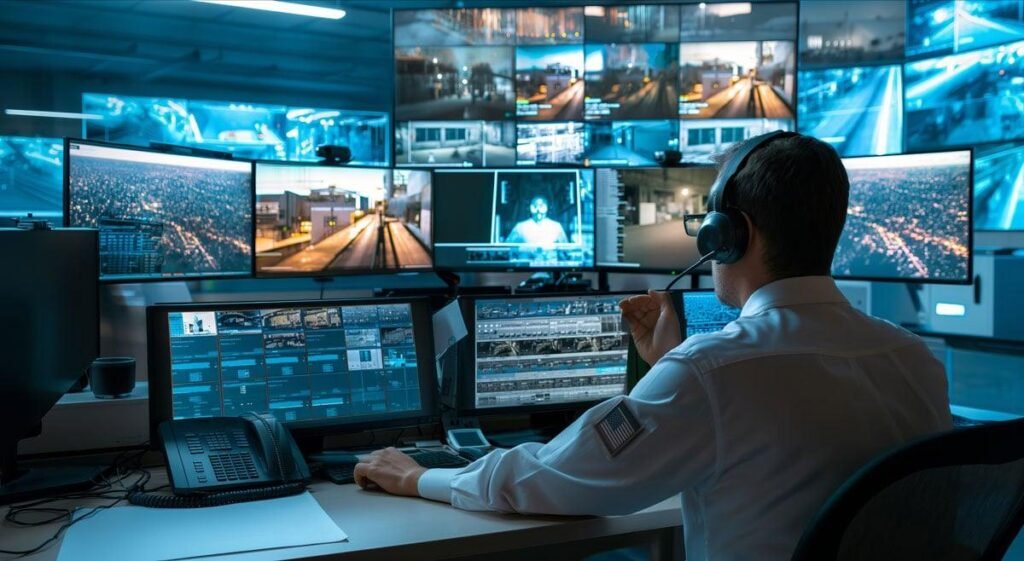
Incident reporting within 24 hours isn’t just protocol — it creates accountability. Businesses that receive structured reports on suspicious persons, vehicles, and incidents develop a pattern-awareness that sharpens their own risk management. Beyond security, video data from operational activities reveals workflow inefficiencies, customer service gaps, and staff performance indicators. Remote CCTV monitoring becomes a management intelligence layer, not just a crime deterrent.
Maintaining Your System Before It Fails You
A CCTV system that hasn’t been serviced is a false sense of security. Regular inspections of lenses, network connectivity, and camera functionality prevent blind spots from forming invisibly. Software updates and firmware patches address vulnerabilities that older systems accumulate over time. Whether expanding commercial property coverage or integrating AI-enabled cameras, relying on professional support for repairs and upgrades keeps the system genuinely effective.

Integrating CCTV with Broader Security Infrastructure
Remote CCTV monitoring works best when it doesn’t operate in isolation. Connecting surveillance cameras with mobile patrols, security guards, and alarm systems creates a genuinely comprehensive solution. Motion alerts feed into existing response protocols; email alerts notify management automatically; audio warnings address intruders directly. Customized packages that account for premises size, layout, and specific needs outperform generic installations on every metric.
Top Considerations Before Choosing a Provider
Expertise, specialized tools, and flexible packages separate genuine monitoring providers from basic installation companies. Look for experienced teams with CCTV Monitoring Personnel available 365 days a year. Confirm cloud-based or secure Internet connection options for Control Centre access. Demand detailed surveys before commitment — a provider offering tailored security systems without a site survey first is selling hardware, not a real security solution.
FAQs
FAQ: Why should my company install CCTV cameras?
CCTV monitoring is one of the most customized, scalable security measures available to businesses regardless of size or layout. It deters potential criminals, reduces theft and vandalism, and integrates cleanly with security guards or mobile patrols. With flexible packages, tailored CCTV coverage maps precisely to your specific needs — making it both operationally practical and financially justifiable for most commercial premises.
FAQ: How does CCTV camera monitoring work remotely?
Your CCTV cameras connect via a secure Internet connection to a Control Centre staffed 24 hours, 7 days a week, by expertly trained security professionals. They monitor live feeds, flag threats, and initiate response protocols immediately. Their expertise in spotting behavioral anomalies and responding before incidents escalate is what separates professional remote monitoring from a business owner checking footage on their own phone.
FAQ: Do we need new cameras to use remote monitoring?
No. Existing cameras can typically be integrated into a remote monitoring system through a central Control Centre. Older systems lacking audio functions can be upgraded without full replacement. Adding audio alerts directed at intruders meaningfully reduces losses compared to silent recording setups. An assessment of current hardware is the correct starting point — full replacement is rarely the first recommendation from a qualified provider.