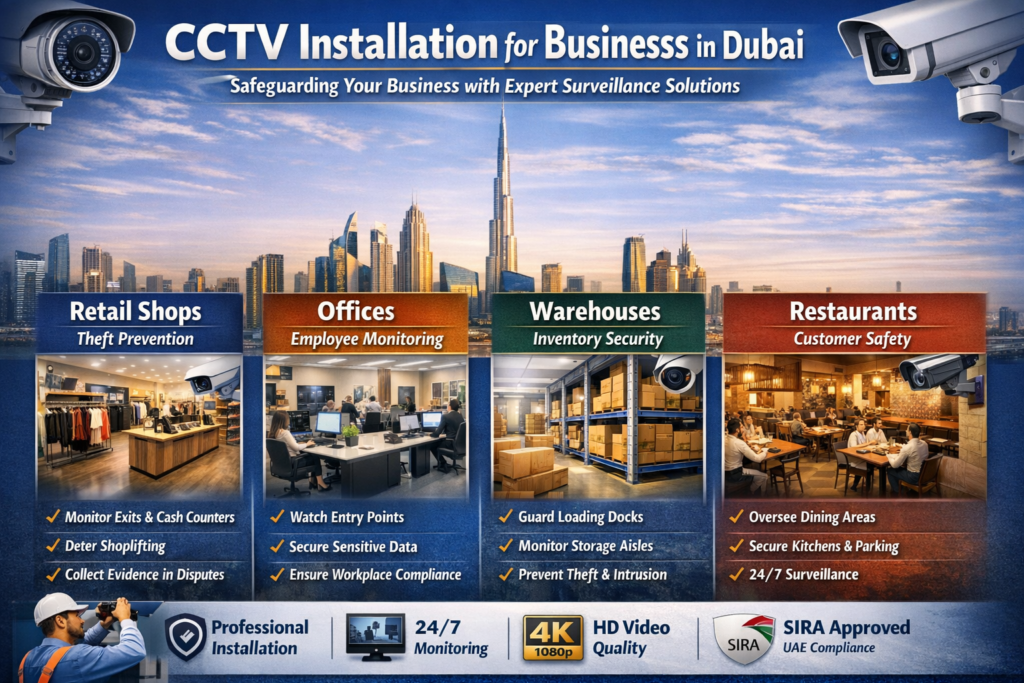
Introduction
Most people install security cameras after something goes wrong — that reactive mindset costs more than a properly designed surveillance system ever would. Experienced installers know that correct placement from day one determines whether your footage actually holds up in court or investigation.
Every home and business has critical areas that attract risk disproportionately. Entrances, driveways, and parking areas aren’t just high-traffic zones they’re the first narrative your security coverage tells. What the camera sees at those access points defines everything downstream.
Strategic placement isn’t about quantity. Professionals who’ve designed systems across hundreds of properties will confirm: four cameras positioned with intent outperform sixteen cameras mounted carelessly. Clear footage from proper locations eliminates blind spots that criminals instinctively seek out before acting.
Covering perimeter boundaries while protecting both the outside and inside of a property requires deliberate planning. Overall security coverage collapses when installers skip ground-level entry points or ignore high-traffic zones — oversights that reduce detection reliability and embolden intrusion attempts significantly.
Wired and wireless cameras each carry trade-offs affecting power supply, signal strength, and video feed reliability. Security experts consistently emphasize matching camera technology to site conditions — because even the best hardware fails when placement decisions ignore optimal heights, privacy rights, and local placement laws.
Importance of Strategic CCTV Camera Placement
Surveillance systems built without intention consistently fail. Well-balanced placement across wired and wireless setups, guided by security experts, ensures maximum coverage while actively deterring tampering. Broaden your approach — strategic camera positioning protects every zone before an incident forces a reactive response.
Identifying Key / High-Risk Areas for Surveillance
High-risk areas like entrances, exits, parking lots, hallways, stairwells, and reception areas demand comprehensive protection. Unauthorized individuals exploit blind spot areas, back alleys, and hidden corners for illicit activities. Safes, cash registers, storage rooms, and high-value items near overlooked areas need dedicated CCTV system coverage.
Best Locations to Install CCTV Cameras — Outdoor
Burglars consistently target front doors, back doors, driveways, first-floor windows, and garage areas first. Outdoor cameras at nine feet high capture license plates, vehicle details, and suspicious activity across perimeter corners. Vantage point overlap between cameras eliminates blind spots, ensuring comprehensive surveillance of both front yard and back yard.
Best Locations to Install CCTV Cameras — Indoor
Indoor cameras placed at main stairways, hallways, living rooms, second-floor hallways, and basement access points intercept undetected movement effectively. Valuables, electronics, jewelry, and important documents concentrate in these high traffic zones. Strategic camera placement here creates documented video evidence while respecting privacy concerns around bedrooms and bathrooms.
Where Not to Place Security Cameras
Placing a camera inside bathrooms, bedrooms, or changing rooms is not only a violation of privacy but often illegal under federal laws and local privacy laws. Even in shared spaces, cameras must respect reasonable expectation of privacy — a principle rooted in the Fourth Amendment. Installations in private areas expose property owners to serious legal consequences.
In offices, retail complexes, and multi-tenant buildings, overlooking neighbor privacy or ignoring signage requirements across jurisdictions can make even well-intentioned surveillance setups legally problematic. I’ve seen property managers in Dubai, Sharjah, and Ajman face compliance issues simply because cameras were pointed toward living areas of neighboring units — a reminder that placement intent never overrides UAE surveillance laws.
Adjusting for Optimal Camera Coverage — Angle, Height & Reach
Mounting a security camera between 8 and 10 feet above ground gives the lens the optimal coverage needed to deter tampering while capturing full facial ID detail. Going too high forces a steeper field of view, which limits how clearly you can record the top of individuals’ heads — making footage harder to use during investigations. Camera height directly impacts viewing angle outcomes.
A camera’s perspective and target distance determine whether the PTZ unit can view long distances effectively or gets locked into a reduced angle of view. In building architecture planning, I always assess target location first — cameras must align with structural height to maintain the correct steep angle without sacrificing facial recognition clarity at distance.
Lighting and Camera Angles — Enhancing Visibility & Performance
Infrared night vision technology allows cameras to deliver round-the-clock surveillance even in complete darkness, maintaining footage quality where traditional setups fail. Pairing night vision units with Wide Dynamic Range (WDR) cameras eliminates sunlight glare and prevents washout when direct bright light sources face the lens. Smart lighting sync can further sharpen live footage reliability.
Poor lighting placement is one reason cloud storage footage often becomes unusable during review. Cameras positioned facing direct bright light — especially during sunrise — struggle to retain image quality. From personal field experience, even outdoor cameras with strong specs fail when mounted without considering shadow movement patterns across the target location throughout the day.
Wired vs. Wireless Cameras — Choosing the Right Setup
Wired cameras deliver reliable connections that remain unaffected by signal interference — a critical advantage in offices and multi-tenant environments where network congestion is common. Professional installation ensures hidden wiring that protects against tampering and damage, preserving both aesthetic appeal and system protection. For fixed coverage zones, wired setups deliver unmatched consistency and round-the-clock monitoring.
Wireless cameras offer easier install and reposition flexibility, especially for DIY security systems using adhesive mounts, simple brackets, or adhesive strips. Need to patch screw holes after repositioning? That’s a real consideration. However, wireless cameras depend on network stability making them better suited to specific needs like indoor monitoring or temporary setups rather than permanent perimeter surveillance.
Common Mistakes in CCTV Camera Placement
One of the most overlooked mistakes is skipping routine maintenance — cameras accumulate dust, debris, and pollen on the lens, producing blurry footage that defeats the purpose of surveillance. Monthly cleaning using microfiber cloths and a proper lens cleaning solution prevents water spots from degrading image quality over time. Outdoor cameras are especially vulnerable to this hardware neglect.
Another frequent error is ignoring tamper detection — failing to set up tamper alerts means a camera could be moved or damaged without triggering any notification. Periodic checks on wiring, mounts, and coverage ensure the system adapts to changes in property layout. Skipping hardware inspections leaves gaps in security coverage that only become visible after an incident — never before.
Advanced Camera Features for Enhanced Security
Modern surveillance systems have evolved well beyond passive recording. AI-powered motion detection now distinguishes pets from intruders, while smart home integration links cameras to locks, lights, and thermostats — triggering automated responses the moment something unusual is detected.
Legal and Privacy Considerations
Not every space welcomes a lens. CCTV placement must remain compliant with state laws governing both public and private areas. Hidden cameras require explicit consent, particularly in shared spaces where tenants and building management hold equal standing over surveillance decisions.
DIY Installation vs. Professional Installation
Wireless cameras with adhesive mounts and screw-in brackets make simplified installation achievable in under 15 minutes. Yet for homeowners wanting a sophisticated security system, professional installers deliver expert craftsmanship — ensuring cameras are optimally positioned for maximum effectiveness and long-term coverage.
Regular Maintenance and System Evaluation
A CCTV system demands more than installation. Regular maintenance — including camera lens cleaning — keeps footage sharp and cameras intact and functioning. Periodic reviews help evaluate system performance, ensuring optimal security coverage across all monitored zones without degradation over time.
Where Do Most Break-Ins Occur?
Intruders target first floor entry points — doors, windows, and side passages. Home security cameras placed at these points effectively deter break-ins before they escalate. Studies confirm that cameras positioned visibly near likely intruder access zones reduce attempted breaking significantly.
Security Camera Placement — Design and Building Considerations
Camera locations within a building should account for structural realities. Cameras located near an attic, unfinished basement, or concealed wire runs benefit from elevated design thinking. Placed higher, a camera expands its view, reducing blind spots across complex home floor plans.
Network Security — Protecting Your Cameras from Digital Threats
Smart home devices connected to your security network require layered data protection. A compromised doorbell camera or mobile device grants attackers easy access to your entire system. Encrypting credentials, updating firmware, and segmenting your smart home system limits exposure without sacrificing remote monitor convenience.
Here are the FAQ answers with all keywords used and bolded:
Q: Where’s the best place to put my home security camera? Place home security cameras on the first floor near doors, windows, and all points of entry — these are exactly where intruders are most likely to break into your home, and cameras positioned here actively deter breaking before it escalates.
Q: Are there any places I should avoid putting a security camera? Avoid installing a security camera anywhere privacy is expected — bathrooms and bedrooms are completely off-limits, and poor visibility angles toward neighbors’ property can quickly turn into a legal issue with guests feeling uncomfortable too.
Q: Do I need professional help to install my home security cameras? Having someone install your home security cameras with professional installation ensures every unit is placed optimally to function correctly — skipping expert help often means blind spots that cost more to fix later.
Q: How many cameras do I need? The right number of cameras depends on the size of your property and which areas you need to monitor — average-sized homes between 1,500 and 2,500 square feet typically need four to six cameras covering the front entrance, driveway, backyard, and garage, plus indoor cameras for main living areas. A professional security assessment determines the optimal number without guesswork.
Q: Can I move my camera around after installing it? A DIY security system with wireless cameras makes this straightforward — adhesive mounts and simple brackets allow easy repositioning without major rework, and adhesive strips cleanly patch old screw holes when you shift things around.
Q: Should I choose wired or wireless cameras? Wired cameras deliver reliable connections with no signal interference, while wireless cameras are easier to install and reposition — weigh both against your specific needs before committing.
Q: How often should I check my camera system? Check your camera system regularly for issues and confirm all cameras are functioning correctly — routine maintenance is the simplest way to avoid unexpected failures when you need coverage most.
Q: What is the best way to secure outdoor cameras? Install tamper-resistant mounts so cameras aren’t within easy reach, and always pick cameras with solid weatherproof features — durability against both physical interference and the elements is non-negotiable outdoors.
Q: How high should I mount my security cameras? Mount security cameras between 8 and 10 feet above ground for optimal coverage — that height is enough to deter tampering while keeping the full field of view intact.
Q: Can I install security cameras in private spaces like bedrooms? Installing security cameras in private spaces like bedrooms is a serious privacy violation — federal laws restrict recording in areas where personal privacy is reasonably expected, so keep cameras out entirely.
Q: How do I prevent glare in my security camera footage? Keep cameras away from direct bright light sources — Wide Dynamic Range (WDR) cameras handle sunlight and glare significantly better, making them the right call for high-contrast or outdoor environments.
Q: Is it legal to point a security camera at my neighbor’s property? Pointing a security camera toward a neighbor’s property can conflict with privacy legal regulations depending on your location — consistently capturing your neighbor’s privacy zone risks disputes, so angle carefully and verify local laws first.